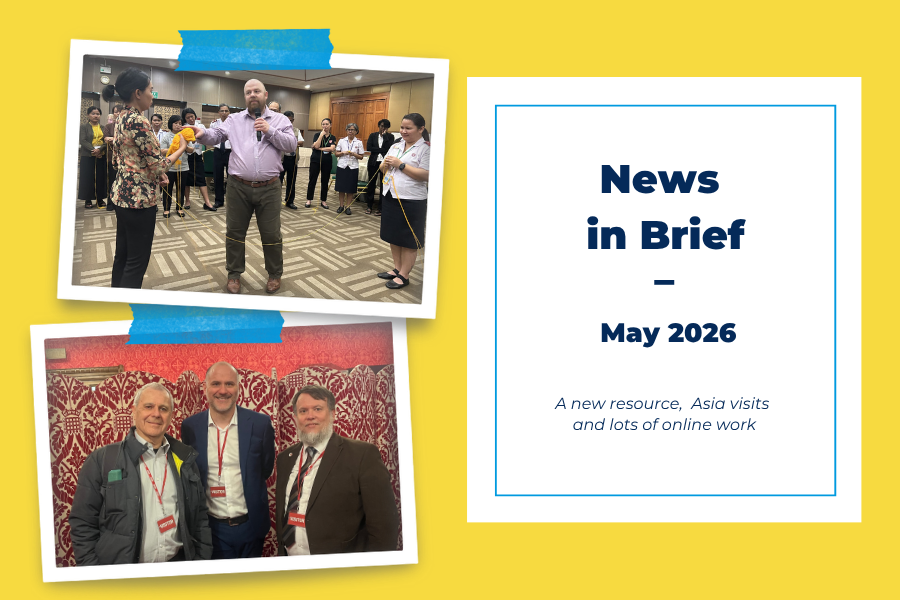
📰 Progress Report 📰
We hit a new milestone in April – SFAC has now worked with organisations in over 60 countries!!!
Of course, that number is meaningless if our work isn’t genuinely improving the lives of children in those countries. Thankfully, we’ve received lots of amazing feedback recently that suggests it’s doing just that!
Here’s a few Good News stories organisations have shared that show how SFAC is helping to create change for children around the world.
🇵🇾 Paraguay 🇵🇾
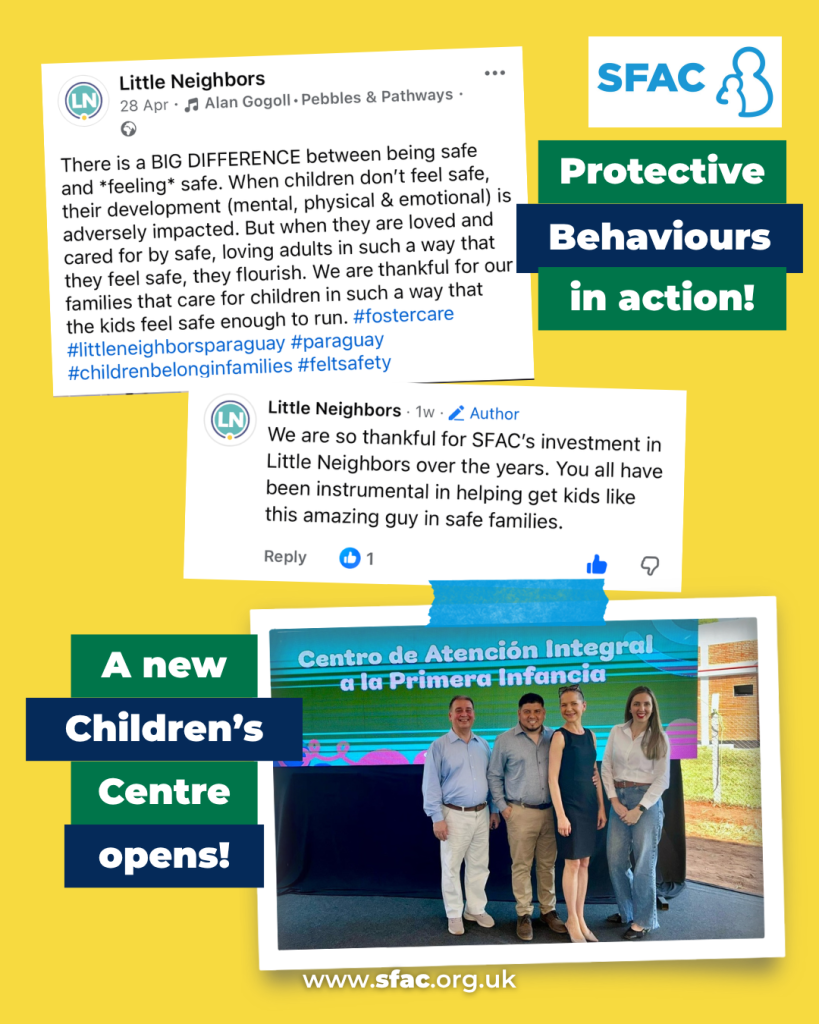
Paraguay Protect Families recently attended the opening of a new children’s centre, one of 100 planned for around the country. They shared this on their social media (well they shared it in Spanish – this is Facebook’s English translation!)
This event represented much more than the opening of a physical space: it is a clear sign that childhood, and especially early childhood, occupies a priority place in our country.
From Paraguay Protect Families, we firmly believe that anticipating is key: arrive on time, BEFORE the violation occurs. Put the childhood in our “windshield”, in the center of our gaze and our actions, not to be late, not to look out of the rearview mirror when the damage has already been done.
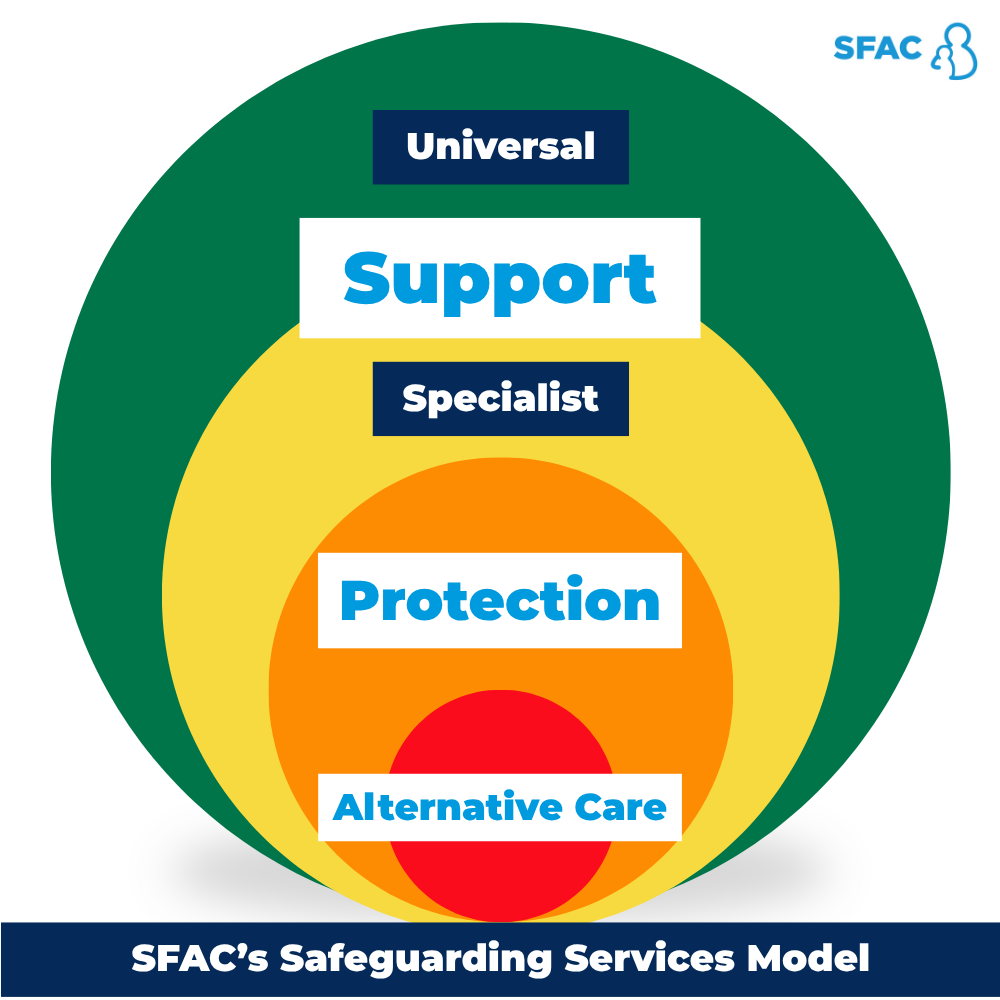
The windshield referred to here is a model for child protection systems that SFAC introduced to PPF and other organisations in Paraguay over a decade ago. It’s exciting to see it become part of the national vocabulary. Since those early training days we have evolved the model considerably and you can get a feel for it in this image.
Also in Paraguay, foster care agency, Little Neighbours, recently shared this story of how one little boy’s life was changed when his foster carers helped him to feel safe. Jackie attended our first ever Protective Behaviours Foundation Course in 2020 and the impact of that training is evident in both the caption and the story. When we commented on the post, Little Neighbours replied with this:
“We are so thankful for SFAC’s investment in Little Neighbours over the years. You all have been instrumental in helping get kids like this amazing guy in safe families.”
🇮🇩 Indonesia 🇮🇩
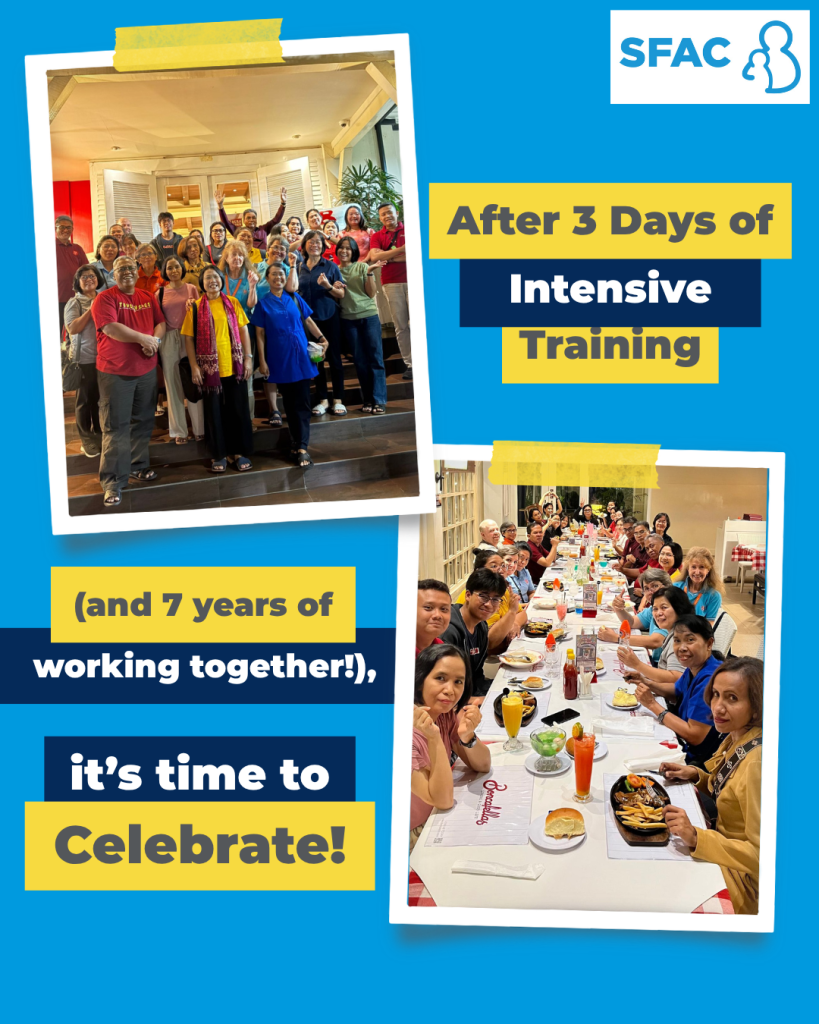
Dan has just returned from two weeks in Asia working with The Salvation Army. The second week was spent with TSA Indonesia (more on the first week later!). We started working with The Salvation Army, Indonesia back in 2018 when we reviewed their children’s home programmes. Since then A LOT has happened and we’ve been there every step of the way.
By 2025, every child had a comprehensive case file clearly outlining their unique needs and circumstances, and more than two thirds of the children have either returned to live with their families or are living independently in the community with ongoing support from TSA Indonesia. They even received praise from the Indonesian government for their case files, which are now used as a national example of good practice.
This year, they are starting a new phase, looking at how they care for children who cannot safely return to their families. This includes developing a foster care service and their mother and baby together programme, alongside other community-based family support services.
Dan was really impressed by how much the team’s skills had grown. He said, “They not only knew the children, they also knew the children’s families and their communities. In addition to this, their ability to assess, analyse and determine what decisions would be in each child’s best interests was impressive.” For Dan, this represented huge progress and is a wonderful reward for all SFAC’s training, mentoring and consulting.
One of the team said this to Dan:
“We have learnt so much. It inspires us to do well. Thank you for helping us assess, analyse and be good social workers. You are our inspiration“
🌍 Global 🌍
Dan (our CEO) and Joseph (one of our social work contractors) recently ran a course for A Child’s Hope Foundation’s Thrive Collective. The Thrive Collective is a free global network working to improve the lives of children in vulnerable situations. Called “Enabling Safe Moves,” over 40 people attended the sessions which explored how to safely transition children from living in a children’s home to living with a family. The Child’s Hope team tells us that, in follow up conversations with the Thrive Collective, organisations were already referencing things they were rethinking and changes they were making as a result of what they learnt on the course.
Feedback like the comment below from one participant keeps us going!
“The course was highly insightful and practical, equipping me with professional knowledge and child centred approaches to support safe reintegration and strengthening long term protection outcomes.”
And while we’re talking about ACHF, you are all the first to know that our brand new guide based on a webinar we ran with ACHF late last year, is now available!
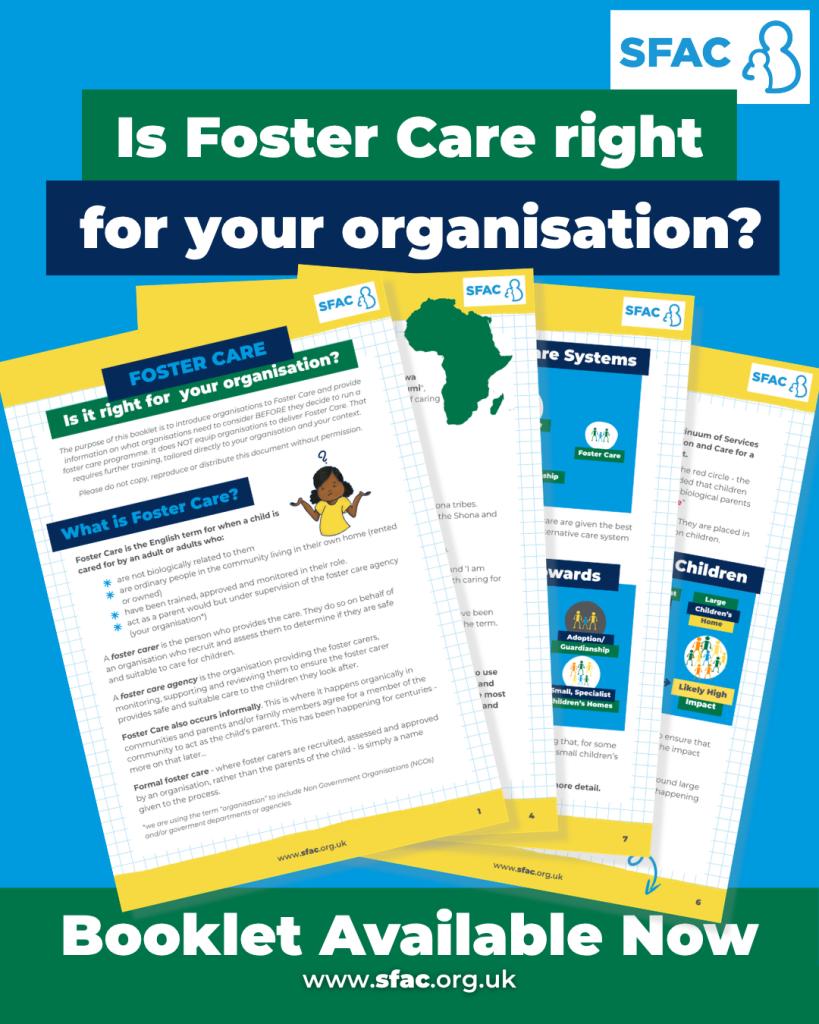
It’s been 6 months in the making, but we think it’s worth the wait!
Our new guide, “Foster Care: Is it Right for your Organisation?” is finally here.
If you work with, or donate to, an organisation thinking about setting up a foster care programme, or simply want a sneak peek into our work, this guide is for you. You can download a cope on our website here.
Here’s what you’ll find inside:
- What foster care is and what it isn’t
- Different types of foster care
- The origins and names for foster care in various countries around the world
- How it fits into the wider system of child care and protection
- Why choose foster care
- What you need to consider BEFORE you set up a foster care programme
And much, much more!!
🌟 Recent Highlights 🌟
Here’s a behind the scenes glimpse of what we’ve been up to recently:
🌍 Global 🌍
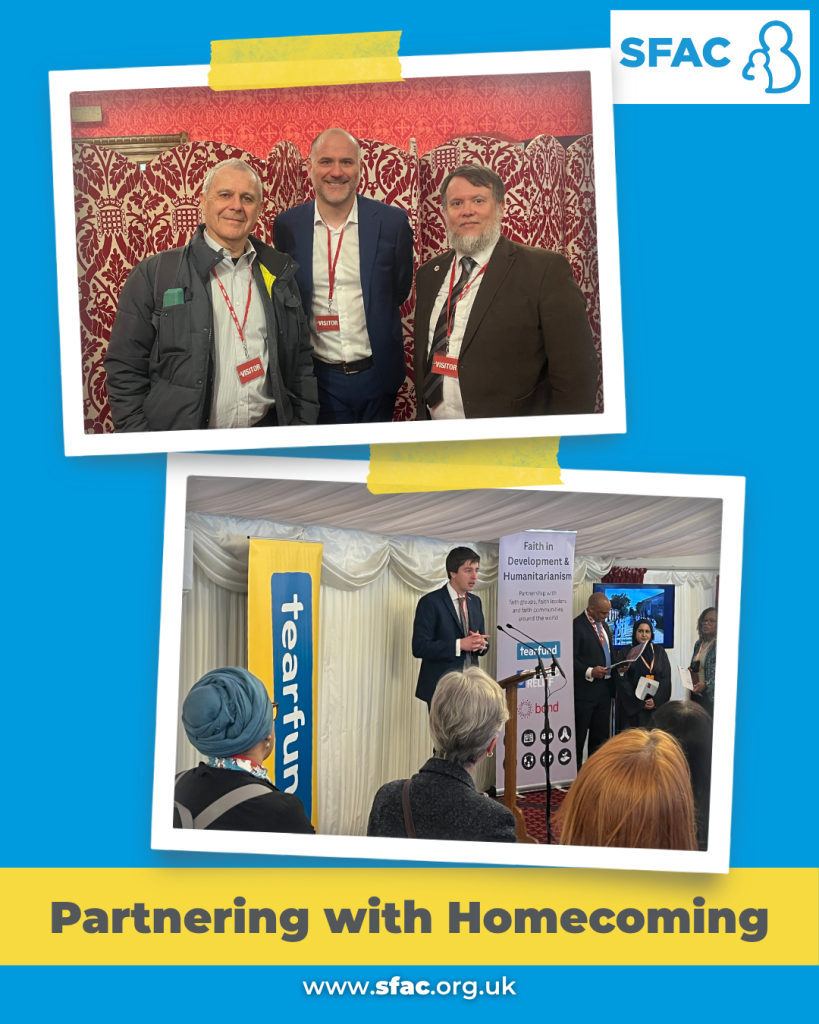
As part of our advocacy work, Mick (our founder) has been teaming up with Tony at the Homecoming Project. Faith groups are amongst the largest funders of children’s homes (so called “orphanages”) around the world, with the UK church donating around £500 million to overseas children’s homes every year The Homecoming Project is working hard to ensure faith communities across Europe understand the benefits of keeping families together and using family care alternatives such as foster care and kinship care for children who cannot safely live with their biological parents and/or siblings.
As part of our collaboration with Homecoming, Mick has been out and about!
He travelled to London to attend a gathering focused on ‘faith in development and humanitarianism’ and to Bucharest, Romania for the World Without Orphans (WWO) ‘Hope in Action’ Europe Forum, a gathering of Christians dedicated to ensuring every child has the opportunity to grow up in a loving family – two important opportunities to connect and strategise with other organisations working towards similar goals.
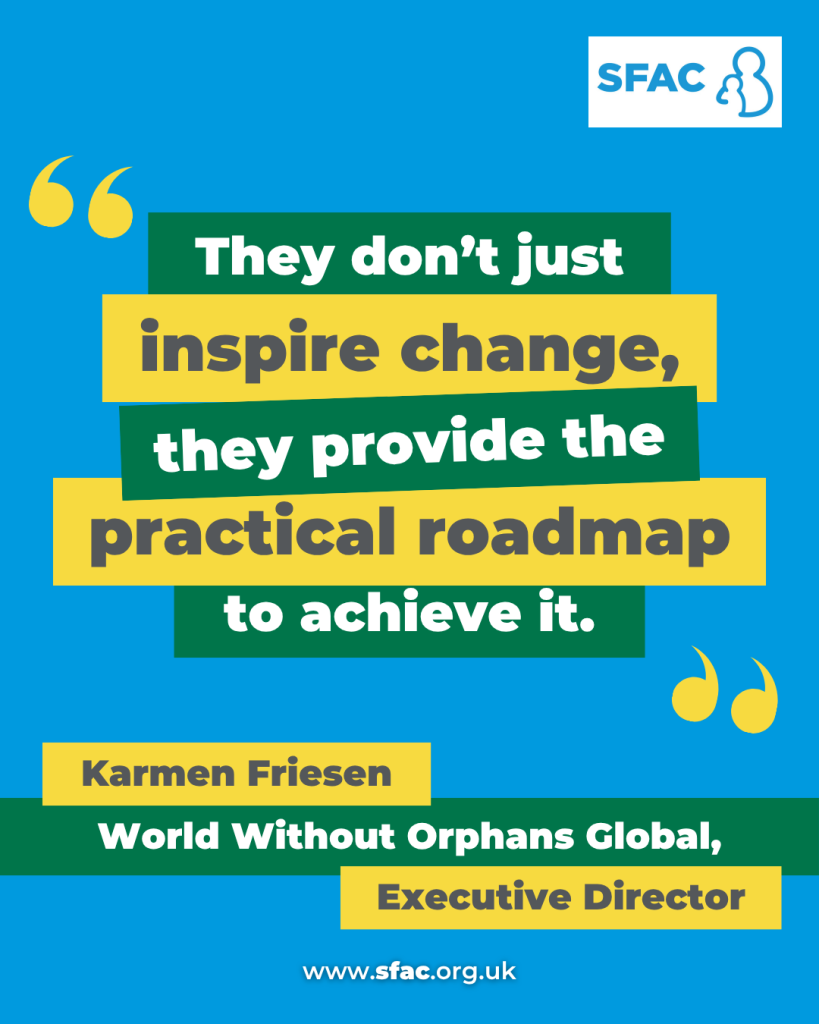
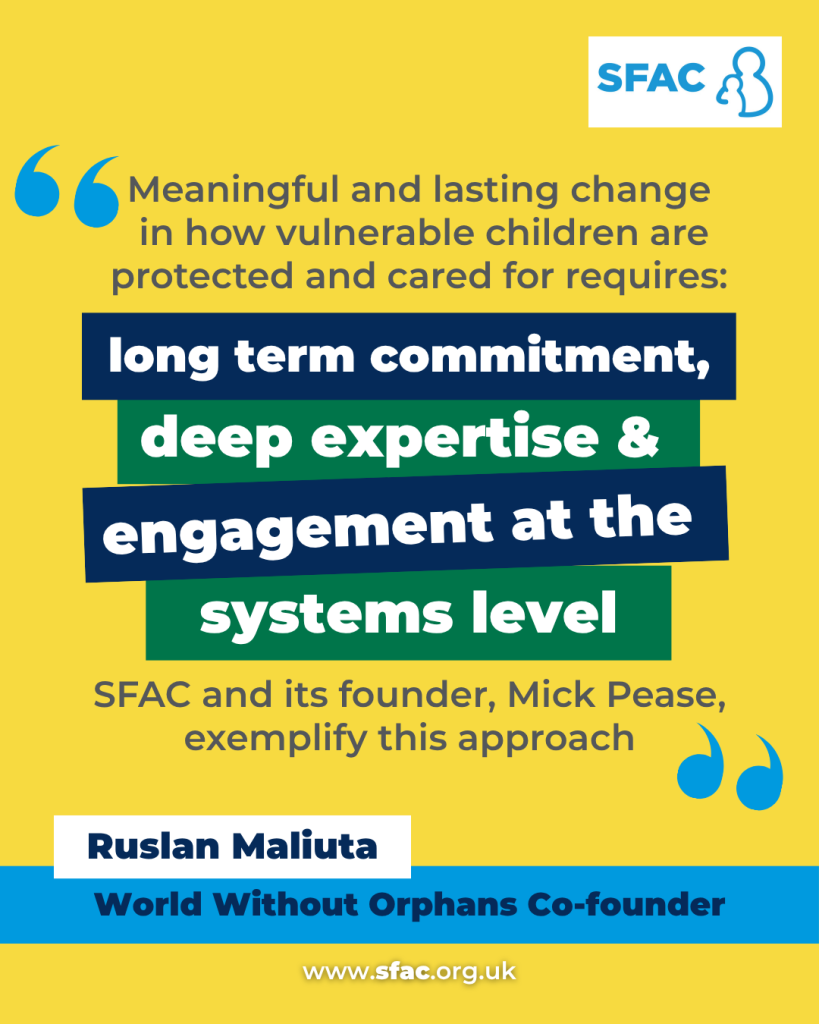
At the forum he was able to catch up with long-standing friends of SFAC, Ruslan Maliuta, WWO’s Co-Founder, and Karmen Friesen, WWO Global’s Executive Director.
They both shared glowing testimonials about the impact of SFAC’s work:
Our case consultation sessions have been popular over the last few months. These sessions give social workers and other child care and protection professionals a chance to draw on our expertise to think through a specific situation one of the children or families they’re working with are facing. We’ve been running sessions with organisations all over the world, from India and Indonesia to Morocco and the UK.
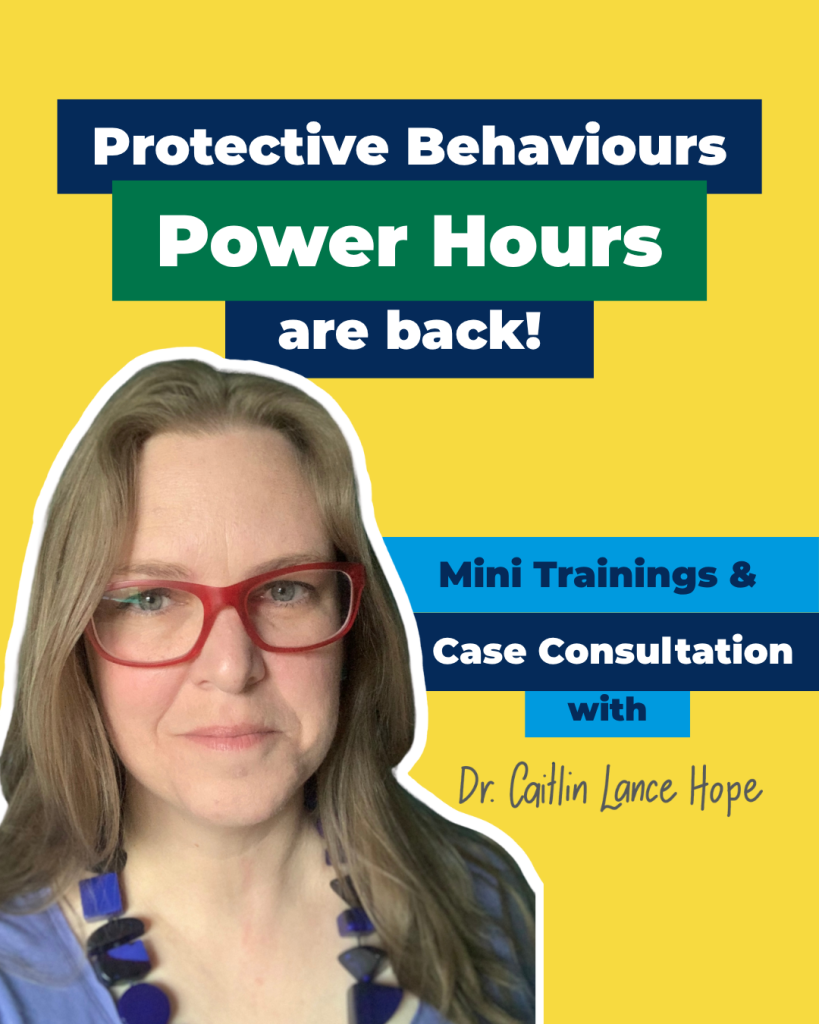
⚡️ Protective Behaviours Power Hours recently kicked off for 2026. These 60 minute sessions are available to anyone who has completed a Protective Behaviours Foundation course with SFAC (that’s now over 100 people!). Caitlin (our therapeutic and Protective Behaviours trainer, blends training and case consultation. Thanks to a generous grant from a family foundation, PBs Power Hours are offered completely free of charge. Our April session had attendees from India, Iraqi-Kurdistan, Lesotho and Eswatini.
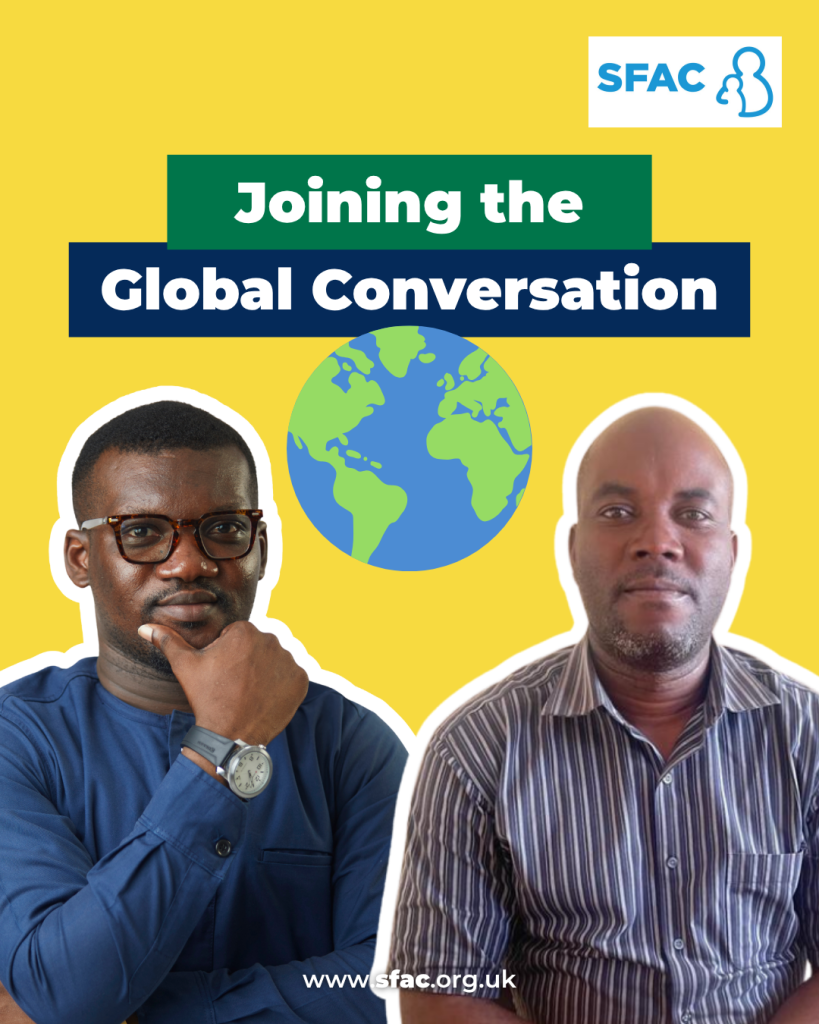
💻 Isaac and Joseph have been attending a number of online events representing SFAC. Hosted by various organisations working in the international child care and protection space, the sessions have covered progress made and directions for the future. Joseph and Isaac recently shared a few key reflections with Caitlin:
✅ The need for SFAC to be present in these conversations, to bring our unique practice experience and practical support to the table. Many of the organisations at these events come from an international development background so our multidisciplinary approach (social work, therapeutic care and legal systems) brings an important perspective.
✅ While “bottom up” change is what is preached and what appears in policies, in practice, “top down” models with rigid organisational models are often implemented. This means key local stakeholders are not being included in policy development, resulting in confusion and unnecessary challenges when turning policies into practice.
Ultimately, this means children don’t receive the care they need and deserve. Finding ways to include community stakeholders in policy development is essential. Simply importing models used elsewhere is not the answer. Joseph indicated that he really appreciates the way SFAC works with small, local organisations.
✅ Safeguarding mechanisms in families and societies, as a key underlying factor for the wellbeing of children, are persistently disregarded. Current conversations seem to concentrate on interventions when abuse or neglect has occurred, rather than exploring opportunities for prevention. This is where our Safeguarding Services Model from earlier comes in!
You can guarantee we’ll be discussing all of this at our next team meeting and planning how we might get SFAC’s perspective into the spotlight! Perhaps our 25th birthday next year might be the perfect opportunity…
🇷🇴 Romania 🇷🇴
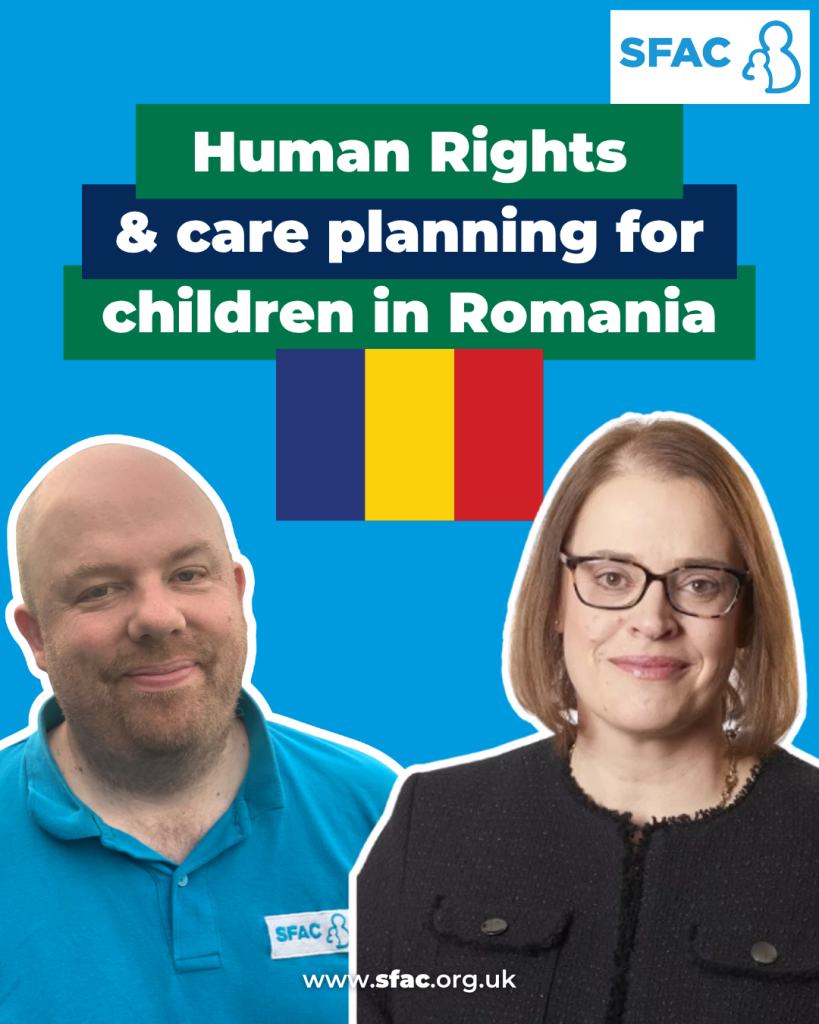
SFAC recently hosted an online talk on Human Rights and Child Care Planning for Life Foundation, Romania.
We asked Philippa Wordsworth, a barrister from Parklane Plowden to contribute her legal expertise alongside Dan’s social work expertise.
They shared their experiences of working in the UK (and, in Dan’s case, around the world). The presentation demonstrated how they promoted children’s rights in their work with children and families, and how systems can seek to promote child-centred practice.
The aim was to help Life Foundation reflect and begin discussions on how they can do similar in their work and context working with children with disabilities.
🇮🇳 India 🇮🇳
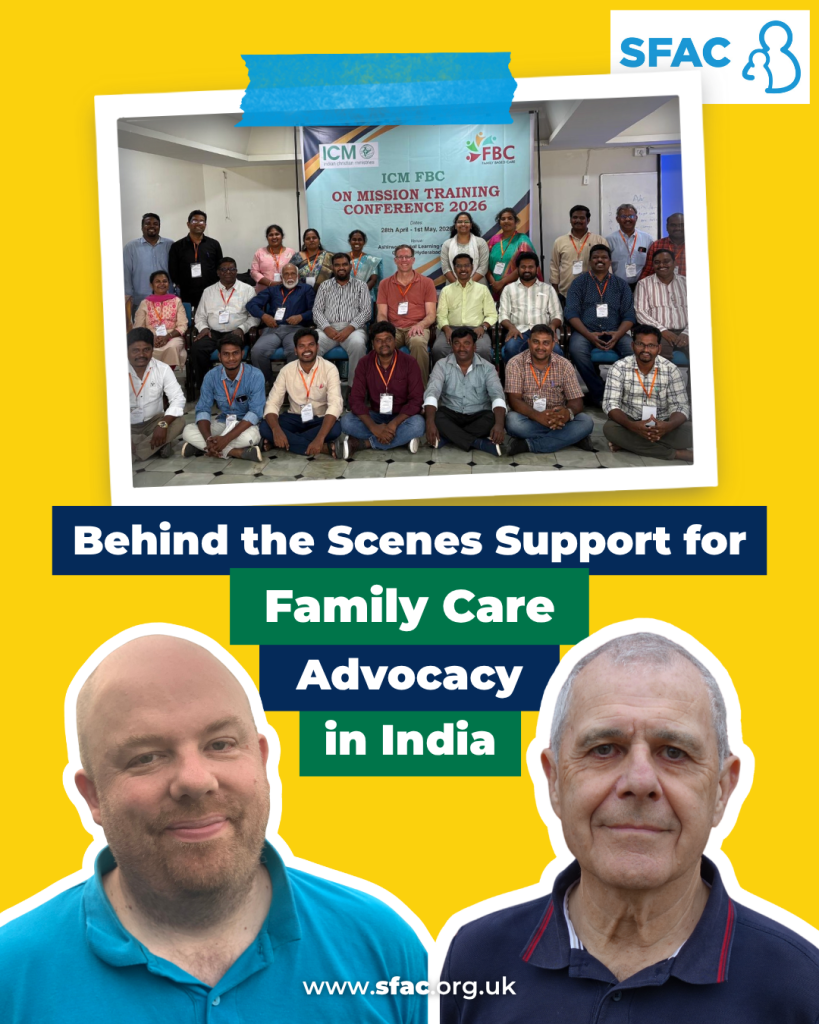
Mick and Dan have been working with Sean Whiting from Restoring Hope, Asia to help him plan a series of workshops exploring the benefits of family care for children who can’t safely live with their biological parents. Sean has now delivered the workshops and so far the response has been very positive.
Mick and Dan have been working with Sean Whiting from Restoring Hope, Asia to help him plan a series of workshops exploring the benefits of family care for children who can’t safely live with their biological parents. Sean has now delivered the workshops and so far the response has been very positive.
By the way we were delighted to hear that when Sean and his team asked around about who to approach for training and mentorship, he kept getting the same answer:
“SFAC!”
A rather lovely pat on the back for our global reputation—and, we think, nearly as exciting as our chair of trustees, Nigel Priestley, finding himself seated next to a Spice Girl on his train journey home last year 🙂↕️😉
🇹🇭 Thailand 🇹🇭
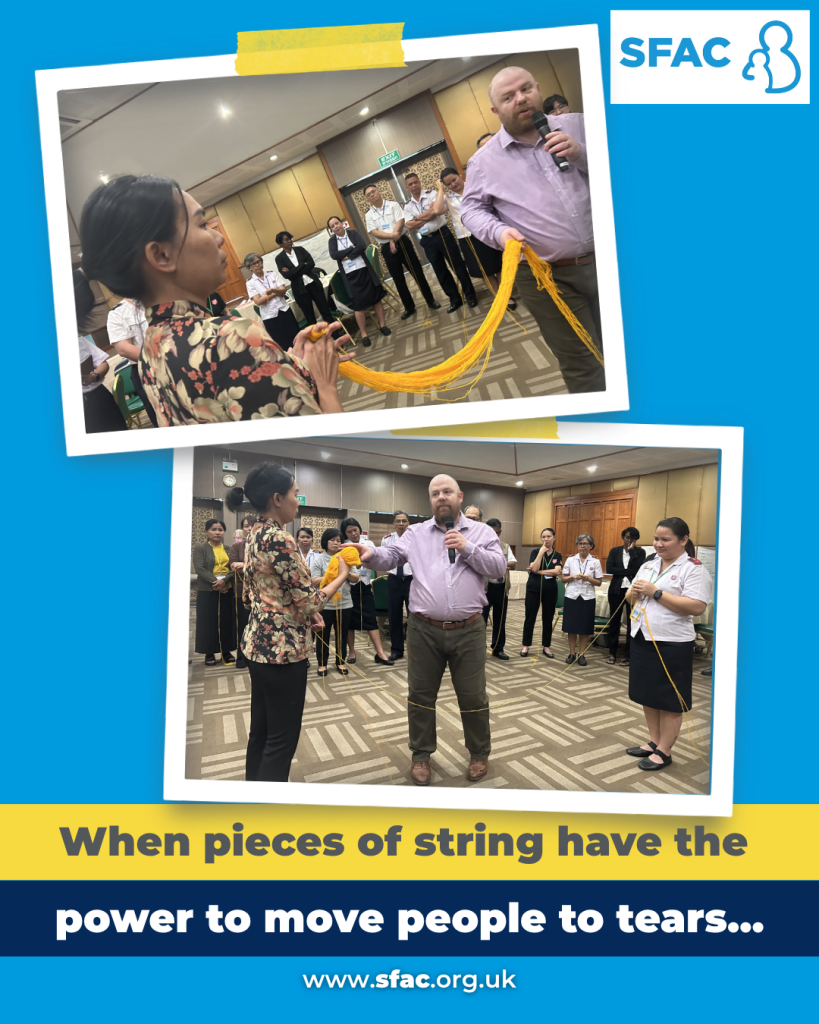
Dan and Phil (from Casa Viva in Costa Rica) continue to work with The Salvation Army International Headquarters on their Journey of Change programme. The latest regional conference was held in Thailand
These conferences aren’t your typical conference!
There are lots of games and activities (ask us about our popular “string exercise!”), discussions for attendees to consider how their faith and what they are learning fits into the way they protect and care for children. The advantages and disadvantages of children’s homes were explored alongside broader ideas on how children and families can be supported in the community.
Feedback from the conferences has been very positive. This quote from an attendee suggests that Dan, Phil and the IHQ team communicated their key messages successfully.
‘Journey for Change is not about importing Western models, but about strengthening and developing alternative care systems that are culturally appropriate, legally sound, and truly aligned with the best interests of the child. Lasting change must be contextual and relational, rooted in listening (to governments, communities, families, and, most importantly, to children themselves).
At the same time, I appreciated the balanced approach taken throughout the conference. There was clear and honest acknowledgement that residential care still has an important role, particularly as short-term or specialised care, and for children for whom no safe family-based option currently exists.’
📚 Research 📚
Reviving and Decolonising Indigenous Childcare
Isabel is currently working with Joseph, Isaac and Leah to develop an academic paper on what Western childcare circles often term “alternative care.” The research focuses on how indigenous child-caring practices have historically centred children and often represent best practices in their own right. While the paper begins with an African viewpoint, our aim is to start a global conversation that demonstrates how alternative care practices for children who can’t live with their parents are rooted in the history and culture of indigenous communities around the world.
Please stay tuned for more updates – we’re looking forward to you joining us “around the table” and adding your reflections and experiences to the conversation.
📣 Shout Outs 📣
A huge thank you to Philippa for volunteering her time for the Romania presentation. Actually, all of our pro bono legal volunteers deserve a big shout out this month – Ranjit, Sara and Louise are heading to Brazil with Dan and Mick this weekend (more on that in the next Good News & A Giggle Edition!), and to Nigel, who does such an amazing job as our chair of trustees.
We also want to extend an extra special thank you to Emily and Alice Sithole, Isabel’s aunts in the UK! (she affectionately calls “Moms”). By providing and funding the Wi-Fi that keeps Isabel connected and online in Zimbabwe, they are playing a vital role in our daily work. Their kindness is a wonderful example of kinship care in action, showing how the wider SFAC family helps us fulfil our mission every day.